
Keynote Day 3 – Pat Sekaquaptewa
Presenter: Pat Sekaquaptewa, Hopi Justice, Hopi Appellate Court, Affiliated Assistant Professor University of Alaska-Fairbanks, Department of Alaska Native StudiesPresentation

Keynote Day 2 – Missy Whiteman & Reuben Crow Feather
Presenters: Missy Whiteman, Sundance Interdisciplinary Fellow and Emmy Nominated Film Maker, Northern Arapaho and Kickapoo Reuben Crow Feather, Traditional Culture and Arts Educator, Standing Rock Sioux TribePresentation
Keynote Day 1: Isabel Coronado
Presenter: Isabel Coronado, Ambassador, Center for Native American YouthPresentation

G4: Paving a Way to Partnerships: A Road Map to Cultivating, Engaging, and Retaining Native Youth Leadership
The panel will present varying perspectives on pathways to success for youth programming especially within the juvenile justice sphere. Partnering with those who have lived experience requires vulnerability, reflection, and intentionality. Their input will inform how justice systems can more ...read morePresentation

G3: Prevention & Intervention Strategies in Working with Native Gang-Involved Youth
Native youth gangs have increased dramatically over the past 20 years, bringing an increase of crime and posed dangerous health and safety challenges for youth, families, and Native communities in general. This session will provide an overview of promising gang ...read morePresentation

G2: A Cross-Comparison of Juvenile Drug Courts and Juvenile Healing to Wellness Courts
This session will provide a cross-comparison of active juvenile drug courts and juvenile healing to wellness courts. Presenters will share both similarities and differences that make each court unique, including policies and procedures, intake/assessment, case management, and funding sources. Attendees ...read morePresentation
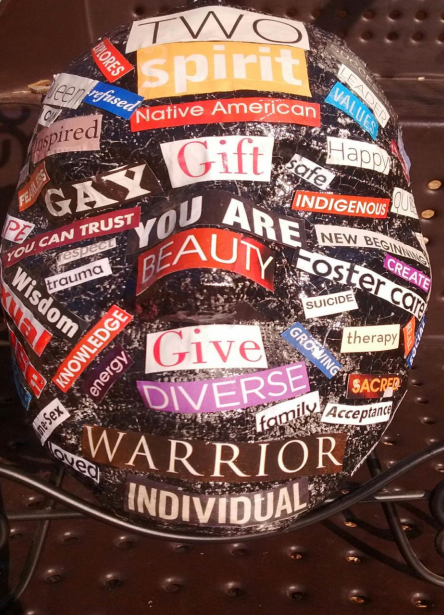
G1: A Silent Epidemic: The Impact of Sexual Violence & Sex and Human Trafficking Against Boys & Men
Often, men are the neglected victims of all forms of sexual violence including being abused as boys. The presenter will discuss the impact of sexual abuse and violence against men and boys and provide resources and information on sex and ...read morePresentation

F4: National Native Children’s Trauma Center (NNCTC) – Session 4: Trauma and Staff Wellness
This session is about the impact of trauma on staff wellness. Participants will look at how to practice staff wellness in a stressful work environment. The toll that working with traumatized youth can take on staff and the organization as ...read morePresentation
F3: Promoting, Evaluating, and Sustaining Tribal Best Practices
Session Description: Native people have been conducting and implementing a variety of practices to reduce risk factors for behavioral problems and health problems for hundreds of years, and these practices have been shown to be effective within their own communities. ...read morePresentation

F2: Developing Collaborative Education Partnerships with Schools and Others to Support the Work of the Juvenile Healing to Wellness Courts
Session Description: This session will provide examples of how Tribal Youth Programs and Juvenile Healing to Wellness Courts can collaborate with educators and education departments to build relationships that can support increased opportunities and engagement that will contribute to academic ...read morePresentation

F1: Building Common Ground: Conflict Resolution Through an Indigenous Lens
Session Description: A successful program for Tribal youth must consider that conflicts will be a part of any effort to initiate and agree on project priorities, goals, strategies, resource allocation, roles and responsibilities. Thus, conflict resolution skills are essential for ...read morePresentation
E4: National Native Children’s Trauma Center (NNCTC) – Session 3: Trauma in Context and Coping
Session Description: This session provides an overview of the familial and societal context that leads to Tribal youth’s coping behavior when dealing with trauma. Participants will better understand the behaviors that Tribal youth develop to survive traumatic events, and what ...read morePresentation