
Tribal Mentoring Models and Approaches for Native Youth Wellness
Session Description: The Tribal Youth Justice Resource Center hosted an Online Learning Event for OJJDP Tribal Youth Program & Juvenile Healing to Wellness Court grantees as well as other Federally Recognized Tribes and interested communities. The 90-minute online learning event featured a panel of Native ...read more
Building Youth Resiliency
Session Description: Mr. Leader Charge shared insight into increasing evidence-based practices for Native youth that includes: language, mental health treatment, and various programs connecting youth to culture. Mr. Leader Charge also provided an overview of risk protective factors that support youth wellness, including the 8 ...read more
Cultural Humility: Working in & with Tribal Communities
Session Description: A training for tribal child-serving professionals to enhance their knowledge of tribal cultures and histories, and encourage culturally affirming approaches for supporting Native youth and their families.
Walking the Four Directions – A Social and Emotional Learning (SEL) Curriculum
Session Description: The “Walking the Four Directions” curriculum is a strength-based, trauma-informed approach to teaching youth prosocial and emotional skills. It was developed in community with caregivers and has been implemented in various Native-youth serving settings, including tribal youth and ...read more
Implementing National Museum of the American Indian Curriculum and More
Session Description: In this session, participants engaged with an online middle school and high school curriculum from the National Museum of American Indians. This enabled the participants to experience and learn how to incorporate and use a non-conventional resource(s) within their ...read more
Part 2: Navigating Ethical Rules in Juvenile Healing to Wellness Courts
Description: In the second of a two-part series, presenters addressed the various ethical rules and issues that arise for team members in Juvenile Healing to Wellness Courts. The session included a brief review of subject matter covered in part one; discussed several case studies to ...read more
Family Engagement in the Juvenile Healing to Wellness Court
Family Engagement is critical to support youth, parents, and their caregivers. In this session, presenters discussed family engagement as a protective factor to support JHWC youth participants’ resiliency and as a practicality to support case management. The session will discuss family ...read more
The History of Indian Education and Its Impact on Student Development
Session Description: The Tribal Youth Justice Resource Center presenters provided an in-depth overview at the history of education within public learning institutions and its impact on the American Indian/Alaskan Native (AI/AN) population. Educational systems have historically been utilized to inflict ...read more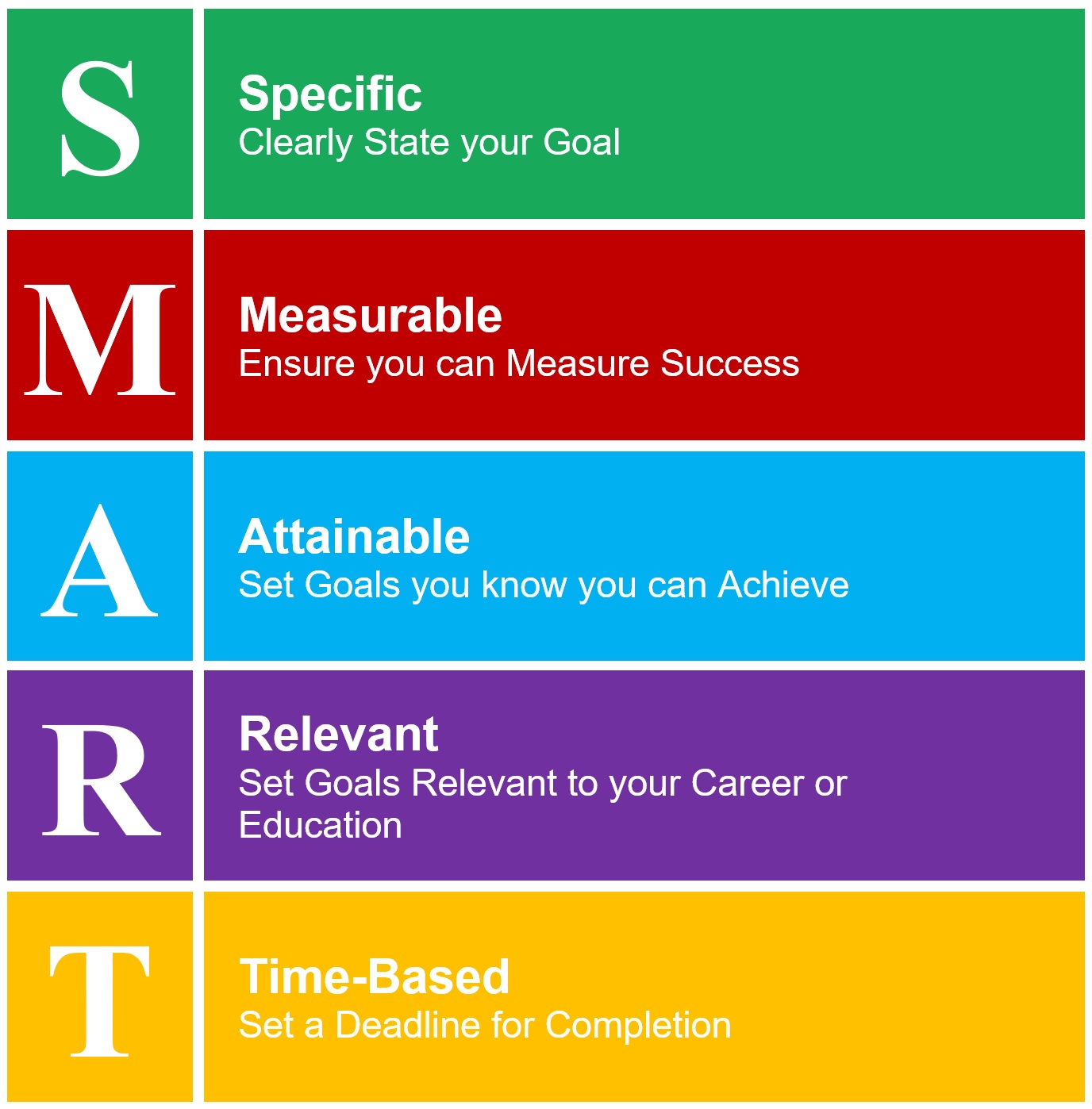
Specific Measurable Achievable Relevant Time-bound (S.M.A.R.T.) Goals and Objectives and Program Logic Model
Presenters provided an overview of the S.M.A.R.T. process to help grantees clarify and develop project goals. The session also included an overview of how project goals can lead to logic model development. The logic model is a helpful tool that ...read more
Developing a Vision and Purpose Statement
Session Description: The value and benefit of creating a vision and purpose statement, considering methods to create a unified vision and purpose statement, and the review of some ways that these statements can be used to communicate about the project ...read more
Supporting Tribal Youth Attendance Achievement
This publication serves as a primer to assist with understanding issues of chronic absenteeism, truancy, prevention, and intervention processes. It addresses historic education policy and contemporary approaches utilized by Tribal communities to prevent and address truancy among Tribal youth and ...read more