Author: Haley Henscheid

The Silent Crisis Facing Indigenous Youth: A Call to Justice and Healing

By Corey Western Boy, Consultant, Tribal Youth Justice Resource Center

Growing up connected to an Indigenous Dakota community, I was surrounded by the strength and resilience of Dakota people—but I also saw the quiet pain that many of our youth carry. As someone adopted and raised in Dakota culture all my life, I’ve had a unique view of both the beauty of the culture and the deep challenges our people are still facing. One of the most urgent—and too often unspoken—is the mental health crisis among Indigenous youth.

This crisis is not isolated from broader systems—it’s deeply entwined with the juvenile justice system. Indigenous youth are overrepresented in juvenile detention and correctional facilities across the U.S., often due to systemic neglect, trauma, and a lack of early mental health intervention. According to the Office of Juvenile Justice and Delinquency Prevention (OJJDP), American Indian and Alaska Native youth are three times more likely to be incarcerated than white youth, even for similar offenses.

But what’s often overlooked is the root cause: trauma and untreated mental health needs. A 2022 SAMHSA report found that nearly 70% of Indigenous youth who have come in contact with the juvenile justice system have a diagnosable mental health disorder, including PTSD, depression, and substance use disorders—often stemming from intergenerational trauma, family instability, and disconnection from culture. The legacy of boarding schools and systemic displacement continues to manifest in our youth through cycles of grief, silence, and survival.

When we fail to address these needs early—through community support, mental health services, and cultural connection—we don’t just risk their well-being. We push them further into systems not built for healing.

But there is hope.

I’ve seen it in the way Indigenous youth light up when speaking their language, participating in ceremony, or connecting with elders. Culture heals. Connection heals. Programs grounded in Indigenous culture have shown measurable reductions in recidivism and improved mental health outcomes for Native youth. Prevention isn’t just about stopping behavior—it’s about providing youth with the tools, relationships, and identity they need to thrive.

This isn’t just a crisis—it’s a call. A call to tribal and state systems, to youth advocates, to policymakers: Our young people are not statistics. They are sacred. And unless we invest in culturally competent mental health services and community-driven prevention strategies now, we will keep failing them in courts and detention centers later.

Healing justice means reimagining what support looks like. It means listening to the stories behind the data—and remembering that every youth deserves to grow up grounded in culture, surrounded by care, and free from systems that were never meant for them in the first place.

References

American Psychological Association. (2023, October). The healing power of Native American culture. Monitor on Psychology. https://www.apa.org/monitor/2023/10/healing-tribal-communities-native-americans

Substance Abuse and Mental Health Services Administration; Department of the Interior. (2021, June 22). Federal Indian Boarding School Initiative. U.S. Department of the Interior. https://www.doi.gov/pressreleases/federal-indian-boarding-school-initiative-investigative-report

Brave Heart, M. Y. H. (2012). Historical trauma among Indigenous peoples of the Americas: Concepts, research, and clinical considerations. Journal of Psychoactive Drugs, 44(4), 282–290. https://doi.org/10.1080/02791072.2012.714560

Freedenthal, S., & Stiffman, A. R. (2004). Suicidal thoughts and behaviors among American Indian adolescents: Risk, completeness of reporting, and cultural moderators. American Journal of Public Health, 94(1), 20–25. https://doi.org/10.2105/AJPH.94.1.20

American Psychological Association. (n.d.). Mental health disparities: American Indians and Alaska Natives. https://www.psychiatry.org/getmedia/d008fb53-3566-4a0a-adac-ba1f3b88528c/Mental‑Health‑Facts‑for‑American‑Indian‑Alaska‑Natives.pdf

U.S. Department of Health and Human Services. (2022). Behavioral health services for American Indians and Alaska Natives. https://www.samhsa.gov/tribal-affairs

Missing and Murdered Youth in the United States

Author: Deborah Tobacco, Tribal Youth Programs Training and Technical Assistance Specialist, Tribal Youth Justice Resource Center

Introduction to the Issue

The issue of missing and murdered youth is a silent epidemic that continues to devastate families and communities across the United States. This blog aims to shed light on the scope of the problem, explore its root causes, and propose actionable solutions to address this crisis. By sharing current stories and insights from peer-reviewed research, we hope to raise awareness that inspires collective action and change.

Photo by Anna Liz Nichols

Understanding the Scope of the Problem

Statistics surrounding missing and murdered youth are alarming. According to the National Center for Missing and Exploited Children, thousands of children go missing each year, with many cases tragically ending in violence. Indigenous youth are disproportionately affected. For example, the recent case of 14-year-old Emily Pike, a member of the San Carlos Apache Tribe, underscores the urgency of addressing this issue. Emily was reported missing from a group home in Mesa, Arizona, in January 2025. Weeks later, her dismembered remains were tragically discovered in a remote area near Globe, Arizona (Burke, 2025; Holden, 2025). Similarly, the case of 13-year-old Keimani Latigue from Toledo, Ohio, who was found murdered in an abandoned home, further emphasizes the need for systemic change (Lagatta, 2025; Ludwig et al., 2025).

Root Causes and Contributing Factors

The root causes of missing and murdered youth are deeply intertwined with historical and systemic issues. Factors such as poverty and family dynamics play a significant role. In Emily Pike’s case, her dissatisfaction with life at the group home and her repeated attempts to run away reflect the challenges faced by many Indigenous youth in state care (Burke, 2025; Holden, 2025). Similarly, Keimani Latigue’s tragic death at the hands of her father underscores the complex interplay of familial relationships and societal pressures that can lead to such incidents (Lagatta, 2025; Ludwig et al., 2025).

The Impact on Communities

The emotional, social, and economic toll of missing and murdered youth is immeasurable. Families are left grappling with grief and trauma, while communities mourn the loss of young lives. In Emily’s case, her family and the San Carlos Apache community have come together to honor her memory and demand justice (Burke, 2025; Holden, 2025). Vigils, processions, and murals have been organized to raise awareness of her story and the broader crisis of missing and murdered Indigenous youth. Similarly, Keimani’s death has left her school and neighborhood in shock, with many expressing anger and anguish (Lagatta, 2025; Ludwig et al., 2025).

Current Efforts and Gaps

While there are programs and policies aimed at addressing the issue, significant gaps remain. Resources for prevention, intervention, and support are often insufficient, particularly in marginalized communities. In Emily Pike’s case, the San Carlos Apache Tribe has called for tighter regulations on group homes and the establishment of a Missing Indigenous Person Alert System (Burke, 2025; Holden, 2025). These efforts, alongside broader systemic reforms, are crucial to protecting vulnerable youth and preventing such tragedies.

Proposed Solutions for Indigenous Youth

To combat the crisis of missing and murdered Indigenous youth, we must prioritize culturally sensitive, community-informed policy changes that address systemic issues like poverty and discrimination, while implementing targeted prevention programs. Additionally, expanding data collection on missing Indigenous youth is essential to ensure these policies effectively support those in need. Collaboration between law enforcement, social services, and community organizations is also essential to create a safety net for at-risk youth. For example, the San Carlos Apache Tribe’s advocacy for legislative reform and the creation of a task force to investigate Emily Pike’s case are steps in the right direction (Burke, 2025; Holden, 2025).

Conclusion

The stories of missing and murdered youth, like Emily Pike and Keimani Latigue, remind us of the urgency to act. By understanding the scope of the problem, addressing its root causes, and implementing effective solutions, we can work towards a future where every child is safe and valued. Let us honor the lives lost by committing ourselves to change.

National Missing Children’s Day is observed on May 25th each year. For additional news, resources, and publications regarding Missing Children, please visit: https://ojjdp.ojp.gov/events/missing-childrens-day/resources.

References

Burke, M. (2025, March 25). Death of Emily Pike, teen found dismembered in Arizona, spurs call for regulation of group homes. NBC News.

Holden, A. (2025, March 27). ‘You will get caught’: Two months passed since Emily Pike’s disappearance. ABC News.

Lagatta, E. (2025, March 25). Missing Toledo teen girl Keimani Latigue found dead; father charged. USA Today.

Ludwig, K., Barker, S., Gingerich, T., & Bailey, A. (2025, March 27). UPDATE | Cause of death determined for Kei’Mani Latigue. WTOL News.

Empowering Native Youth: A Personal Story of the Transformative Power of Place-Based Education

Author: Haley Henscheid, Administrative Coordinator, Tribal Youth Justice Resource Center

Education is a powerful tool, and for Native youth, it’s essential that it’s rooted in cultural understanding and community connection. Place-based education programs provide transformative opportunities to bridge the gap between one’s culture and the wider world. I know this firsthand, as my own experiences in educational travel have profoundly shaped who I am today.

Rooted in Identity

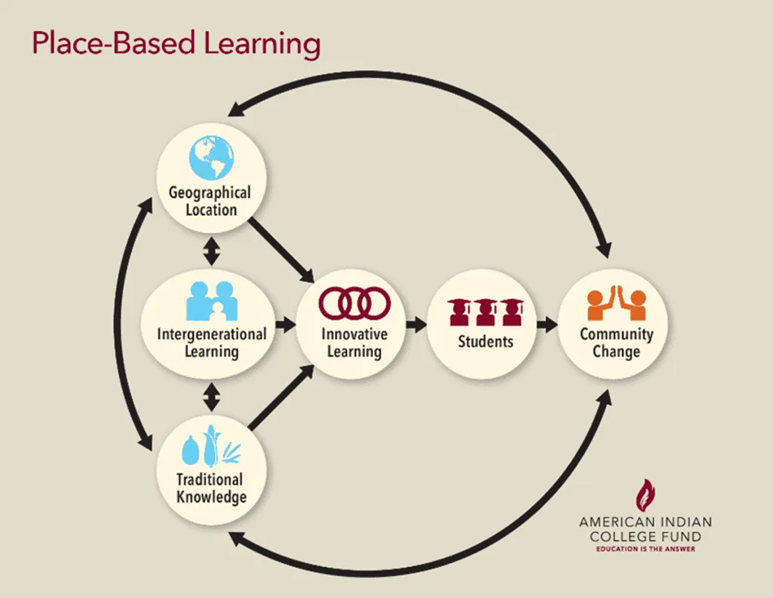
Growing up on the Umonhon Indian Reservation in Nebraska, I was taught early on that land, culture, and storytelling were integral to my own story. What I had not yet realized was that my community’s teachings were a living part of my education – that they would help me understand the world around me and the importance of maintaining a deep connection to my ancestors’ wisdom. This is where place-based education excels—it incorporates lived environments, the outdoors, culture, and traditions into learning, allowing people to see the relevance of their own heritage in today’s world.

Place-Based Learning (2018) American Indian College Fund.

For Native youth, place-based education can provide a sense of pride and purpose by acknowledging the richness of their background and stories. For me, growing up immersed in Omaha teachings helped me understand that our culture is not just a part of our past, but a living, breathing source of strength. Remarkably, an example of place-based education that made me feel more closely connected to my people was a trip that led me over 2,000 miles from home.

Study Abroad Programs

In high school, I was awarded a scholarship to study Marine Biology for a summer in Baja California Sur, Mexico with The Experiment in International Living. This experience was eye-opening as it was my first time seeing an Indigenous community outside of the United States. This opportunity eventually led me to study abroad in college in Lima, Peru with the Council on International Educational Exchange, where I learned about the many Indigenous tribes of the Andes and Amazon. Through experiential education, I saw firsthand how their culture, language, and traditions mirrored and differed from my own. Importantly, I came to appreciate the diverse and powerful ways Indigenous cultures have adapted over time. It gave me a greater sense of pride in my Omaha heritage but also helped me understand the shared struggles and triumphs of Indigenous people worldwide.

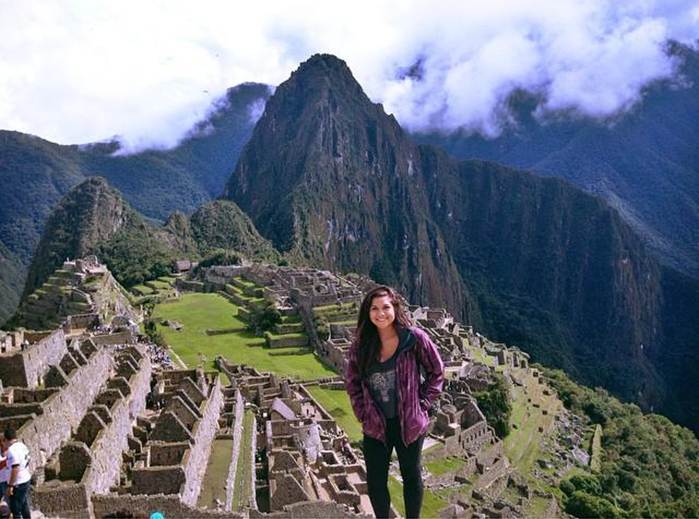
Visiting Machu Picchu, Peru in 2015

Personal Growth: Confidence and Connection

These study abroad experiences weren’t just about seeing new places; they helped me build confidence, prepared me for college and my future career, and taught me how to connect with others in meaningful ways. They allowed me to step outside my comfort zone and see how my culture fits into the broader world. In total, I’ve traveled to 33 countries, each time sharing parts of Umonhon culture and seeking out Indigenous communities and learning from my relatives wherever I go. When I travel, I make it a point to teach at least one person how to introduce themselves in Umonhon so that our language continues to live outside of just my homelands in Nebraska.

The Impact of Place-Based Education through an Indigenous Lens

Place-based education means giving power to the places we inhabit and providing our youth with powerful learning opportunities to experience these places through an Indigenous lens. Through Student Diplomacy Corps, I had the privilege of leading a group of 10 youth on a transformative journey to Aotearoa (New Zealand), where they immersed themselves in Māori culture and traditions. Over the course of a month, the students connected with Māori tribal leaders and youth and explored the breathtaking landscapes of the “Land of the Long White Cloud.” I witnessed the impact this experience had on both the American and Māori youth, fostering confidence, resilience, and a sense of pride. These qualities have since played a significant role in shaping their personal and professional paths, with students pursuing their futures as law students, artists, and young professionals.

Student Diplomacy Corps students and leaders navigating the Waka, Aotearoa (2018)

I’ve realized that, whether in the plains of Nebraska or the Andes of Peru, there are threads that connect us all, and understanding these links is essential for building stronger, more connected communities. These experiences, whether local or global, will prepare Tribal youth not only for college but for life in an increasingly interconnected world. By creating spaces for Tribal youth to explore their heritage while learning about the wider world, we empower them to be leaders of tomorrow—proud of their cultural identities and ready to share their wisdom with the world.

If you would like resources regarding place-based education or to request references, please contact me at [email protected] or TYRC at [email protected].

This project is supported by Grant #15PJDP-24-GK-02602-MUMU awarded by the Office of Juvenile Justice and Delinquency Prevention, Office of Justice Programs, U.S. Department of Justice. The opinions, findings, and conclusions or recommendations expressed in this publication/program/exhibition are those of the author(s) and do not necessarily reflect those of the Department of Justice.

Connection, Community, and Commitment at the TLPI Implementation and Enhancement Training

Author: Ashley Anderson, Tribal Youth Justice Resource Center T/TA Specialist

This year’s 2024 Tribal Law and Policy Institute’s (TLPI) Implementation and Enhancement Trainings were held at the Sheraton Phoenix September 18- 20, 2024. Each day was greeted with an optional morning exercise including yoga and sunrise prayer, a plenary session, and four tracks for participants to choose from, with an aggregate of 36 sessions to choose from.

The excitement of gathering in person brought each of us overwhelming excitement and joy; The TLPI team had the opportunity to see each other, some for the very first time, but our connection to each other and to our work made it as if we’d been in this space many times before.

On day one, standing outside the plenary session, I spotted familiar faces—both previous and current grantees. It was a reunion of shared purpose and memories, both with a “how are you?” and a hug. We laughed, quickly caught up, and later shared lunches, diving into conversations that felt as natural as catching up with an old friend. Our in-person time was special and allowed us to touch on meaningful topics that had been requested in previous months.

The energy throughout the event was reviving with culture, connection, activities, and door prizes. A total of 418 participants were in attendance. Notably, more than half of all participants in the concurrent Youth Healing to Wellness Court (YHWC) training were current YHWC grantees with an impressive average of 68 people per YHWC session.

Meeting formally with current and future grantees was a valuable opportunity to dive deep into aspects of their courts and programs, navigating challenges and creating strength-based solutions. In person, we could truly be trauma-informed in a way that isn’t the same on Zoom. There was a sense of closeness that allowed us to build rapport and trust, fostering collective resilience.

Spending time together face-to-face brought a renewed sense of purpose, reminding us all why we are committed to this work and to each other.

Leaving the event, I felt uplifted, with a strengthened connection to my team and those I serve. I can’t wait to see you again.

For more information about the conference and information for next year, visit: www.EnhancementTraining.org

World Mental Health Day: Advocating for Mental Health Screenings

By Ashley Anderson, Juvenile Healing to Wellness Courts Training and Technical Assistance Specialist, Tribal Youth Justice Resource Center

Mental health is an essential part of our overall well-being; influencing how we think, feel, and interact with the world around us. It affects our relationships, our ability to cope with stress, and our capacity to identify our life’s purpose.

As we observe World Mental Health Day on October 10th and recognize National Depression and Mental Health Screening Month throughout October, we reaffirm our commitment to promoting mental health within our communities. Notably, in both Tribal Youth Programs (TYP), Juvenile Healing to Wellness Courts (JHWC), and Juvenile Healing to Wellness Programs (JHWP), we are cognizant of the importance of Native people having access to mental health resources and supports. We encourage (as also recommended in the Juvenile Drug Treatment Court Guidelines) the use of screening tools like the Generalized Anxiety Disorder scale (GAD-7), Patient Health Questionnaire (PHQ-9), and Screening, Brief Intervention, and Referral to Treatment (SBIRT) to assess and support our youth’s mental health needs.

Mental health challenges can manifest in many ways— more than just sadness, moments of panic, overwhelming anxiety, isolation, and/or difficulty concentrating. But imagine the relief and feeling of hope to hear, “You matter. Let’s do this together.” By advocating for mental health screenings, we are sending a powerful message: that it’s okay to seek help, that their well-being matters, and that they are not alone.

As we move forward, let’s commit to recognizing symptoms, seeking help, and advocating for screenings and other mental health supports in our communities. We challenge you to reflect on how you can contribute to change in May, during Mental Health Awareness Month – did your program or organization recognize World Mental Health Day? Did your program have ongoing conversations with your team or youth and their families about screenings, ways to reduce stress, and why mental health matters? We’ll be sure to circle back around to hear what you’ve done and the difference it made.

Strength- Based, Stress-Reducing Tip:

If you ever feel overwhelmed, a simple yet effective way to practice emotional regulation is the 1-2-3 method: One thing you can do for yourself (drink a glass of water, stretch, go for a walk), two positive affirmations (I am worthy and I am loved. Say it twice.), and three deep belly breaths (deep breath in for five seconds, hold for five seconds, and out for eight seconds. Do this three times).

When stress levels rise, our parasympathetic nervous system (PSNS) can struggle to keep our emotions and thoughts in check. This method helps to calm the mind, balance the body’s natural stress response, and bring you back to a state of calm. Think of it as giving yourself an internal hug, offering comfort and reassurance from within.

Utilizing Gathering of Native Americans (GONA) Curriculum for Youth Engagement in Prevention Efforts

Author: Gerry RainingBird, Tribal Youth Justice Resource Center Consultant

In our efforts to engage with Native youth, we are guided by the four levels of human growth and responsibility, which are inspired by Native traditions and found in the Gathering of Native Americans (GONA) curriculum. This model of positive youth development integrates Native philosophies of parenting and mentoring and is based in the four universal growth needs of our children: belonging, mastery, independence, and generosity. This wisdom comes from our ancestors, who raised courageous, respectful, and competent children without the need for harsh, coercive controls. Nevertheless, Europeans colonizers attempted to “civilize” Indigenous children in punitive boarding schools, unaware of the sophisticated Indigenous philosophy that treats children with deep respect and teaches by modeling desired behavior. These values are represented by the medicine wheel, an ancient symbol used by many Natives of Turtle Island, which reminds us of our interconnectedness with all of creation. I offer a brief description of the four components of the GONA curriculum and techniques for engaging our youth through culturally informed prevention efforts.

Belonging

In our Native communities, connectedness is nurtured from the beginning. Special “name-giving” ceremonies and welcome celebrations at birth where we share stories and connect as relatives create powerful social bonds that bring all together in mutual respect and caring. Further, throughout our histories, tribes would take steps to ensure the survival of culture. For example, if anything happens to a child’s caretakers, the tribe is there to nourish and protect the child and the next seven generations.

Our youth need to know they are cared about and to feel a sense of connection to others in the group. Whether it’s the family, clan, tribe or nation, our youth need the opportunity to feel physically and emotionally safe while actively participating in a group. We can help our youth get to know each other through culturally appropriate introductions, games, mixers, and small group activities. We can create opportunities for our young relatives to interact with each other through small project work and group tasks. Developing traditions to welcome new members and celebrate individuals will go a long way in making our young people feel that sense of belonging. We can then find other ways to involve family and community members in as many activities as possible. All youth deserve a caring, supportive relationship in their lives. We can be that someone by showing interest in, actively listening to, and fostering their unique gifts.

Mastery

Achieving a sense of mastery and competence in tribal traditions and practices is ensured by providing opportunities for our young relatives to participate in teachings. Children are taught to observe carefully and listen to those with more experience. A person with greater knowledge or ability is encouraged to assist the younger ones become comfortable with gentle correction and modeling. The goal is for each person to strive for personal growth and to help others who may be struggling. Our young people have an innate drive to become competent and solve problems – success in overcoming challenges strengthens the desire to achieve. Our youth need to feel and believe they are capable at solving problems and overcoming challenges to develop their self-confidence. Through culturally appropriate interactive projects and activities, youth have the tools to make positive life choices.

We need to engage our youth in discussions that increase their understanding of the purpose behind planned activities and learning opportunities. We need to model and teach that failure or frustration is temporary and is a part of the learning experience. Mentors and teachers need to be fair and consistent when giving feedback. Youth rely on the joy they receive from interests, hobbies, and group participation to balance disappointments in other parts of their lives.

It is key that we offer youth opportunities to take on new challenges and learn new skills. We can help youth succeed and master new skills by actively engaging them in the entire process, sharing what happened, reflecting on what was important, relating the experience to the real world, and applying what was learned to new and emerging situations.

Independence

Power in tribal traditions means respecting the right for independence. In contrast to obedience models of discipline, traditional teaching principles were designed to build respect and develop inner discipline. From earliest childhood, Indigenous children are encouraged to make decisions, solve problems, and demonstrate personal responsibility. Adults model, nurture, demonstrate values, and give feedback, and children are provided with abundant opportunities to make choices without coercion.

Our youth need to know that they can influence people and events through decision-making and action. By exercising independence through leadership opportunities, youth mature in self-discipline and responsibility and learn to better understand themselves. Within that realm, it’s important that we provide our youth opportunities to lead simple tasks and then progress to more difficult ones. Recruit, train and support young people who are ready for more responsibility. As much as adults really wish to take control, we need to avoid jumping in to help unless we are really needed. This encourages our young people to overcome obstacles on their own. We should also remember to encourage, motivate, praise and acknowledge youth who complete leadership roles. We need to support young people in recognizing connection between independence and responsibility. Independence means greater power and influence and is linked with responsibility for decisions made and actions taken.

Generosity

Finally, virtue is reflected in the pre-eminent value of generosity. The central goal in Indigenous child-raising is to learn the importance of being generous. This value is reflected most dramatically and clearly in the willingness of Native people to share their knowledge with those who wish to learn valuable tribal wisdom. Tribal leaders and elders are expected to give of their time, wisdom, and related resources whenever needed, thus demonstrating the highly respected value of generosity.

Our youth need to feel their lives have meaning and purpose and can do so by following the example of their elders. By exploring and learning different ways of giving back to the community, youth can connect to their tribe and learn to give back to others.  This can be done through adopting a specific service project that fits their interests and abilities and meets a community need. For example, arranging care of local sacred sites and providing opportunities to get involved within the community. Encourage youth to develop and implement tribal action plans. Be willing to set up mentoring opportunities where youth learn from older peers or culturally connected adults. We need to assist our young people in developing concern for others and empower them to take action to demonstrate that concern. Being of service forges bonds between youth and the community and doing something valued by others raises their feelings of self-worth and competence.

By integrating these traditional values into our prevention efforts, we can cultivate environments where youth feel connected, confident, responsible, and purposeful. This approach not only strengthens their individual growth but also reinforces the well-being of the entire community. By guiding our young relatives through culturally informed practices, we empower them to become leaders who will continue to honor and sustain the traditions of their ancestors for generations to come.

A Reflection on Mentoring and Mentoring Programs from the TYRC Midwest Regional

By Jordan Gibson, Tribal Youth Training and Technical Assistance Specialist, Tribal Youth Justice Resource Center

As I reflect on our discussions from the Tribal Youth Justice Resource Center Midwest Regional last month in Minneapolis, I’ve been thinking deeply about the nature of mentoring, particularly within our communities. Mentoring, in many ways, feels like a natural extension of our traditional ways, where uncles, aunties, and other relatives, whether they are biological or not, help guide us.

I’ve been reflecting on the mentors who have shaped my journey and the wisdom they’ve shared with me. Sometimes they would impart direct, tough-love guidance, and other times through their personal stories and experiences. Most often, they taught me by letting me watch how they navigated situations, giving me the chance to learn from their actions.

Mentoring doesn’t always require formal structures or funding; it can be as simple as offering support and guidance in everyday interactions. This idea resonates with how many of us operate in our communities, where mentoring happens naturally and consistently, even without formal recognition.

As I continue to reflect on these insights, I’m reminded of the profound impact that mentorship can have on individuals and communities. It’s about fostering connections, sharing knowledge, and supporting each other as we navigate both traditional and modern challenges. The resources and approaches from the mentor programs we discussed reinforce the idea that mentoring is a powerful tool for shaping the future while honoring our past.

Below are links to mentor programs highlighted at the Tribal Youth Justice Resource Center Regional Meeting.

7th Generation Mentoring

Friends of the Children

Walking with Indigenous Youth Training

The photo above was shared by author Jordan Gibson.

Interview: How Community Wide Healing Can Blossom in Tribal Communities 

Dr. Maegan Rides At The Door, Director of the National Native Children’s Trauma Center interviewed Dr. Karla Bird to talk about community-wide healing in March 2024. Dr. Bird is currently the Tribal Outreach Specialist for the University of Montana and recently served as the President of Blackfeet Community College (see full bio at the end of the interview). It is difficult for us to think about how community-wide healing can take place collectively given the challenges of cross-collaboration, and limited capacity and resources in communities. This conversation inspires change but also helps us reflect on the progress Native Nations have already made in an effort heal individuals, families, and communities. If we get bogged down on thinking about the broader picture, this conversation reminds us that we can always be mindful of how we are living our professional and personal lives in congruence with our cultural and community values and vision. 

Dr. Maegan Rides At The Door: What examples can you think of that is evidence of cultural revitalization?

Dr. Karla Bird: So, Lily Gladstone, next week she is getting a stand up headdress. And one of the conversations I had with one of our community members was about the stand up headdress. The stand up headdress is specific to Blackfeet and goes back to an ancient origin, all the way back to Scarface, Morning Star, and the sun. It was a transfer to Scarface. And so when we get a headdress we get it from Scarface and originally from the Sun it’s a transfer process. People have had sacred transfers passed down for generations. When you say revitalization, one of the people I was talking to was saying that the stand up headdress almost went extinct in the 90’s and you didn’t see them in the community like you do today. These things don’t go extinct because people no longer want to practice them. They go extinct because of the transfer. You have to have people with the right to do the sacred transfer. The few people who were left with this sacred transfer began transferring all of these headdresses so now its not uncommon for people to see people with stand up headdresses. You are starting to see this visually. You are starting to see community members wear them. Societies are being revitalized. Ceremonies are. We did some webinars at Blackfeet Community College where some of our ceremonies were hanging on by a thread. One of the people who took care of the ceremonies had to relearn the songs from cassette tape. Then we have people like Carol Murray who is getting their honorary doctorate here soon at the University of Montana and who has repatriated bundles from museums. You are seeing the Native American Graves Protection and Repatriation Act (NAGPRA) and people being able to regain items that were originally theirs. Now these items are in active circles of ceremony and so they are considered alive with the spirit. You are seeing these things. You are seeing community members attend these events. You see these things in the school system and the college.

Dr. Maegan Rides At The Door: In sports, students wear headdresses or ribbon skirts before games. I saw in Browning that the girls were wearing beaded headbands before their games. It is great to see. What are some ways that you have seen educational growth in your community?

Dr. Karla Bird: There are different types of educational growth. When you think about the trajectory of education, we went from missionary schools to boarding schools to day schools to public schools to now we are having tribal colleges and now even immersion schools that are solely in the Blackfeet language. When we think about the trajectory we think about the sovereignty in education. We are on a trajectory of not just accepting public education, but we want to develop an education that is specific to Blackfeet which is tribal centered education for our students. We want to be the people that are developing the curriculum, that are developing pedagogy and how school systems are designed so that students who are going there are inherently learning who they are as a student but also as a tribal person. In Blackfeet Community College is a really great example of that because we have Pikuni Studies and so we have a degree in Blackfeet Studies and there are students that learn our history, our culture, and are in contact with our elders. We have events like All Chiefs Day. We have the Days of the Pikuni, The Bear River Massacre. There is this continuum that even if you aren’t in the classroom and a part of the community there are still learning opportunities.

Dr. Maegan Rides At The Door: So even if you aren’t enrolled in the college, you are still learning what is happening more broadly. What is needed for cross collaboration among everyone in the community for community wide healing?

Dr. Karla Bird: That’s a really good question…Community wide healing.

Dr. Maegan Rides At The Door: Cause I think everyone in the community, every agency, every entity has their own piece of the healing that they are contributing to. But what about getting everyone together and thinking about what we could be doing more collaboratively and intentionally to heal as a community.

Dr. Karla Bird: You know there was one program that we were invited to at Blackfeet Community College. They pulled everyone together that had anything to do with wellness, education, and support. But part of it was identifying the gaps. When you say intentionally, I think it is partly an assessment of what the community currently offers and where people can collaborate to offer an additional service but also identifying the gaps. The profound gaps that we don’t have resources for that we can strategically plan to fill those gaps. One of the things that comes to mind is in Browning is a youth center. Having a place for kids to come together in community and having support and something positive. It probably does start with everyone coming together and then doing an assessment to determine the needs and resources and what can be developed.

Dr. Maegan Rides At The Door: What would inspire people to want to come together to be part of a community healing effort like that?

Dr. Karla Bird: When you think about our cultural values, our cultural values are about our community. We are about taking care of one another. And we are especially about the elders and the youth because between the elders and the youth are people like us who are able bodied, and we can support elders and youth. I think sometimes focusing our efforts on elders and youth is really important.

Dr. Maegan Rides At The Door: When you talk about a community wide effort people can sometimes feel like it’s just another thing I have to do on my to do list. It’s another thing on top of so much that they are already doing. It’s a great effort to overcome lateral oppression and still work together for the broader vision.

Dr. Karla Bird: One of the things I was thinking about was how we have conventional medicine. And conventional medicine is so separated and specialized. It makes people go to school to learn about that area. What I’ve learned over the course of my time is learning about holistic medicine that is integrative. Learning how the mind and body work together and all these systems are connected. Our western medicine is focused on treatment or medicine or surgery. But when you are looking at holistic medicine its about getting to the root cause. And sometimes when I think about historical trauma. It’s like we have treatments for trauma whether its social services, counseling, or medication. When we are looking at historical trauma and cultural loss, and what the anecdote to that. To me you could get all the counseling but if you are looking specifically at historical trauma, it was a loss of identity and self. Then we are looking at restoring that identity and systems. So, from that perspective, I think it is culture, language, community. Restoration and reclamation. But how we get there has to be in a sensitive way. We have to make it accessible. We have to reduce the barriers, institutional barriers and personal barriers. There’s a way to help people to not feel shame or blame towards themselves for not knowing these things. They blame themselves even when it was a hundred years of systematic erasure.

Dr. Maegan Rides At The Door: Right, like if historical trauma didn’t happen, we would all readily know our language and culture.

Dr. Karla Bird: They hold a burden they shouldn’t hold. And because of that burden they hold you can’t say just join this. It is doing a lot to facilitate it to make sure it’s safe, accessible, welcoming to engage in. If we are looking at historical trauma, we are looking at reclamation. And if we are looking at reclamation then we are looking at teaching it and in a way that honors people’s safety.

Dr. Maegan Rides At The Door: Yeah, it’s also like given the high unemployment rate, it’s like why can’t we pay people to learn the language. It could be healing in a lot more ways than just economic. This conversation is about continuing to inspire change to happen and think about ways this is already happening. What I am taking away from this conversation is that it is really about a way of being in the world so much so that our systems have to follow that. Of changing the question from not how can systems change but how do we want to live with each other in community.

Dr. Karla Bird: Another thing that inspires change is what you want our kids, our community, our staff to know and perpetuate. That starts with you, with you changing. Because if you want to pass down stories, you have to learn them. If you want your kids to be part of ceremony, you have to go. If you want them to learn the language, you have to help teach them. It is the responsibility we have to the youth. We have to learn it. It puts us in this place of responsibility that I never really felt until I was the leader of our tribal college and it forced me to change so that I could make that more accessible. We have to learn to transmit knowledge and it forces us to be a learner and doer.

Dr. Maegan Rides At The Door: Right. It’s everyone asking themselves what can I do to contribute to the community? How am I living my life? Despite struggles that may set us back. Maybe sometimes we don’t live up to our own expectations sometimes. But that most of the time throughout our life, when we can, we do all we can.

Dr. Karla Bird: It comes back to your way of being and when you think about Indigenous education, you might have content and pedagogy, but it comes back to your way of being. How we welcome one another. How we talk to each other. How we try to be role models for each other. How we give resources to one another. We all are in different professions and sometimes it can feel like the daily grind of going to meetings and doing all the things. Outside of your profession you think about in your family, how you are contributing to community wellness? How are you with your family? Your extended family? Are you going to community events? It goes back to how you are being in the world.

Karla Bird, Ed.D is a member of the Amskapi Piikani Nation (Blackfeet). She has graduated with a doctoral degree in Educational Leadership, with an emphasis in Higher Education at the University of Montana. She also received an M.A. in Counselor Education, as well as a B.A. in Psychology with a Research Emphasis/ Minor in Native American Studies.  The topic of her doctoral dissertation was on educational persistence among American Indian graduate students. This research orientation was used to view students as sources of strength and resiliency, with tools and assets that help them persist and reach success in academe. Dr. Bird has served in various assets of education and most recently has served as the President of Blackfeet Community College.

Dr. Maegan Rides At The Door is an enrolled member of the Assiniboine-Sioux Tribes of the Fort Peck Reservation and a descendant of the Absentee Shawnee Tribe of Oklahoma. She has served as the National Native Children’s Trauma Center’s Director since 2015. Maegan utilizes her knowledge in culturally trauma responsive care to provide training and technical assistance with a wide variety of systems of care including but not limited to schools, child welfare, juvenile justice, and healthcare. She has been central to the design and implementation of trauma-responsive systems of care with tribal, private, federal, and state partners; the implementation of cross-system youth suicide prevention programming; and the expansion of child advocacy centers’ capacity to meet the needs of tribal communities.


Walking the Path: Inspiring Youth on the Journey to High School Graduation

By Kennedy Fridia, Tribal Youth

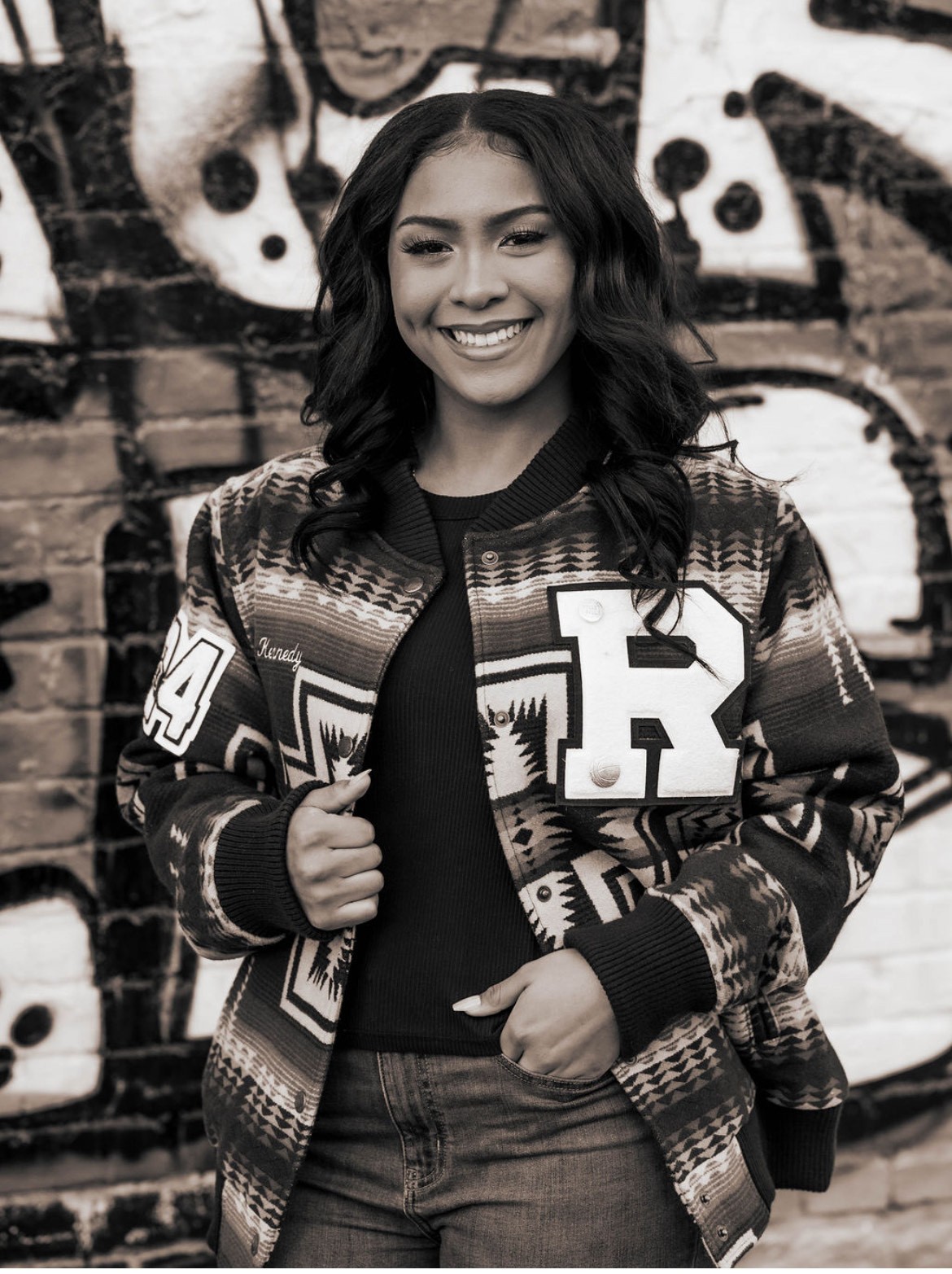
I have recently graduated from Mahpiya Luta Owayawa on the Pine Ridge Indian Reservation. I, along with 26 others, were able to walk across the stage and receive my diploma. This was a big moment for not only me, but for my community. Many kids from the reservation do not make it to high school, let alone graduation. Often, they end their educational journey at the eighth-grade level. I felt so lucky to have been able to complete this milestone, but I didn’t do it alone. My family, friends, teachers, and sheer determination helped me get to where I am today.

Some days I had to wake up at 4 am to get to morning basketball shooting, then a full day of school, and then stayed late until 7 for practice. This, coupled with AP and college courses, at times felt like a lot, but like our buffalo relatives I put my head down and faced the storm. Encouragement and lots of rest on the weekends enabled me to continue excelling in everything that I did. I ended my senior year being awarded Athlete of the Year and The Presidential Award for Academic Excellence, among many other accomplishments, including a full academic ride to the University of Denver.

While I know statistically this is not the norm for youth across Indian country, I hope to be an example for others. There are a few things that made the difference. Having a circle of support and encouragement was one of them. Another, a strong connection to my spirituality and culture. Lastly, the ability to believe in my own potential. For those working with youth just remember my peers are dealing with a lot and they need you to walk alongside them towards high school graduation.